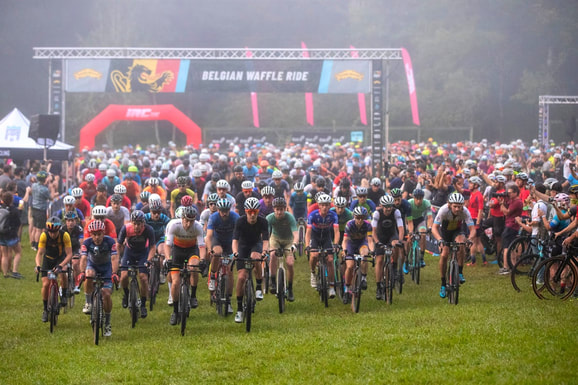
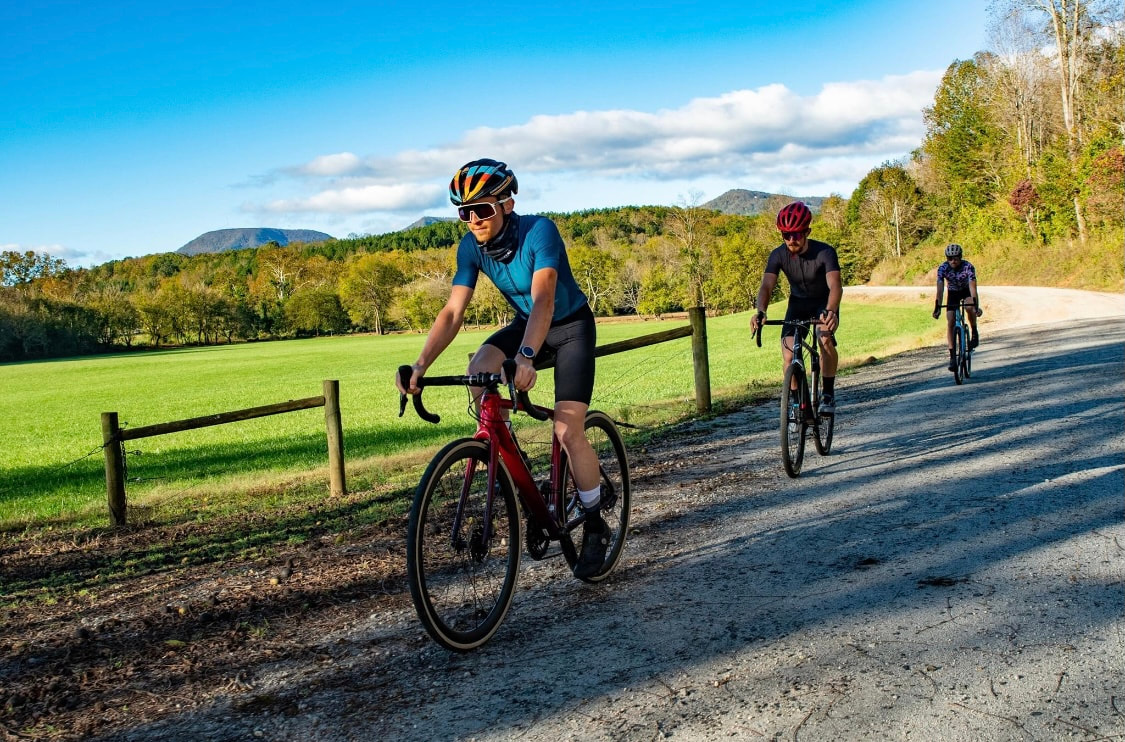
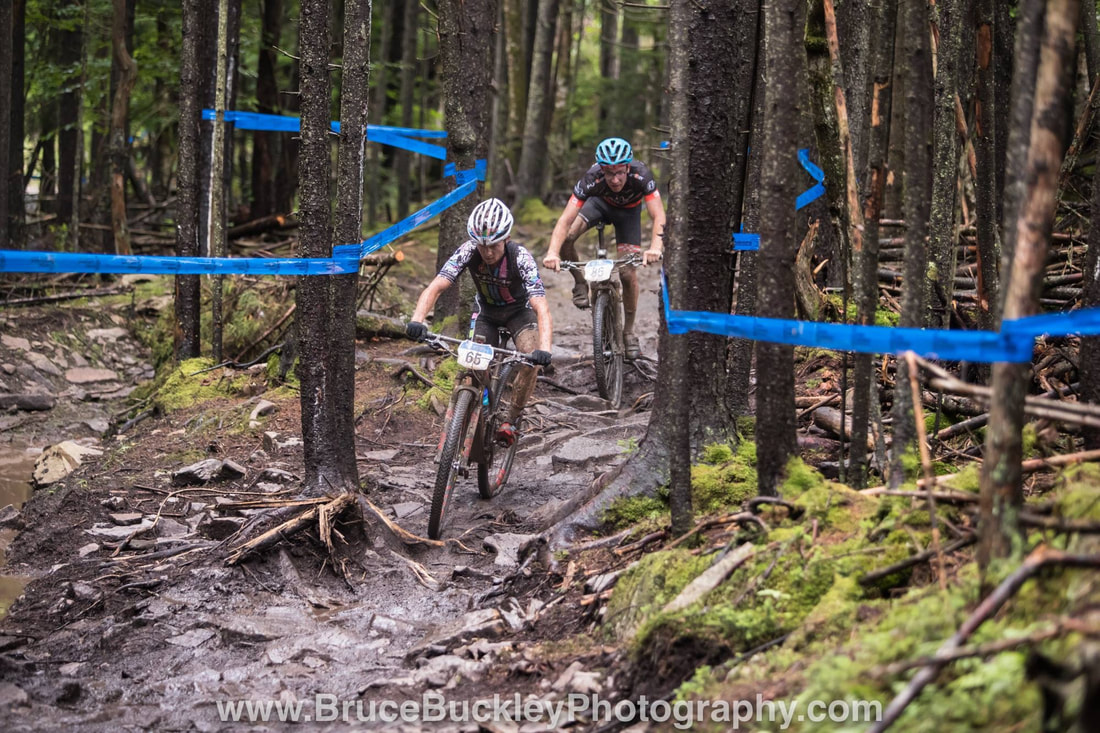
 You are not alone. Gravel racing has become one of the most popular cycling events in the country because it offers something for everyone. Gravel events have emerged as a way to offer riders of all skill and ability levels the opportunity to race off-road, in a more traffic-free environment without the need for an advanced mountain bike skill set. This idea birthed what is essentially a “mixed surface” version of fun, big road rides and fondo-style events. There are a variety of distances to choose from—15 miles to 100 or more. What Gravel races typically touch on two terrains: pavement and gravel. And occasionally some single track. It is normally mass start and fairly casual on the rules, with each race having it’s own variety of gravel roads. Thus, it is unique in that each and every person brings a different setup. They typically have provided feed/sag stations where you can pause and fuel up. Why This mixed-surface discipline has attracted the likes of World Tour pros, retirees, first time racers, and cross-discipline athletes. The emphasis on camaraderie, individuality, and the overall experience over the typical fight-for-every-spot attitude has driven people in the gravel direction. It offers flexibility and a chance to accomplish your own goals on any given day. Where The gravel side of racing is popping up left right and center across the states. While the Belgian Waffle Ride and Unbound events are the “pinnacle” of gravel, you can find them about anywhere now; everything from one-day events to multi-day stage racing! What to Expect Be ready for a wide variety of bikes, athletes, expectations, and levels of seriousness… Categories Most offer broad categories, everything from “open men” to age-specific categories can be found. Some have pro fields and some don’t, but generally they all start together – and that is rad. Pace Intentions are made clear pretty quickly – pros going for the big prize will typically set off to break the group up and thin things out. After that, you can assess your goals and expectations and find a pace. Most of the time, these events split up into many chunks. Be mindful of the route and demands to come, these are usually long days where rationing energy pays off. Strategy Again, this is up to the discretion of the athlete. Strategy will depend if you are there to “compete” or “complete”. Find your groove or group and be intentional about your plan for the day. Courses Every course varies. For example, BWR has a 130mi version in Utah with less than 8k vertical feet. Meanwhile the North Carolina edition is sub 100mi and 11,000 vertical feet. Not only that, the surfaces are WILDY different. You may be on hardpack dirt that you can run a road bike on while the next event has eroded and chunky roads you’ll be wishing for suspension. Similarities and differences The effort in a gravel race is most similar to a Gran Fondo event. Longer mileage than MTB races, more technical than road races, and an overall emphasis on durability. This is a perfect segway for how to come prepared… 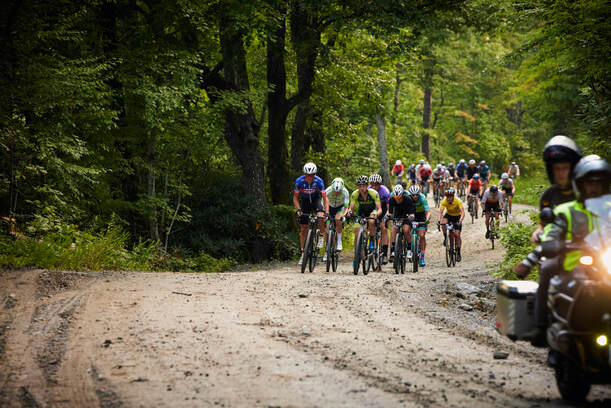 Training How to prepare for the variety of gravel… Foundation Most gravel races will have definitive features that separate the groups and/or allow the “cream to rise to the top”; ie significant climbs. However, some can be rolling and accumulate elevation over time. While those are very different, the demands are similar from a physiological perspective. You need a broad base of aerobic fitness with which to rely on. This “foundation” is crucial to one’s ability to handle the fatigue over time. Regardless if your race has three large climbs or 100 short ones, being able to spend more time in an aerobic (oxygen/mostly fat utilizing) state saves muscle glycogen. Match Demands With that being said, study your big goal’s demands and try to match or simulate those in training. If you are targeting Steamboat, for example, then you know it has two massive climbs. Spend time developing and extending your ability to ride at a higher aerobic pace (ie. Sweet Spot and Threshold work). Try pushing those 3 x 10s into 3 x 15, 2 x 20, 3 x 15, etc. If you are comfortable in that realm, and your event has more punchy features, dedicate some time to repeatability and/or intensity…so push that power up vs making it longer. Skills Gravel can be technical, despite what some may say. It is a loose, moving surface. So take time to get comfortable on your equipment riding on similar surfaces and (specifically) practice with your weight placement for cornering more effectively. Equipment Most courses I have experience with (or have seen) are conducive to a bit bigger tires than most expect. You may be able to get by with 32cc for example, but something in the range of 36-44cc is ideal. The bigger tire allows for lower pressure, suppleness, and comfort. Nutrition Fortunately, most of these events provide their own feed/sag stops for free food, refills, etc. Study the map and know where these are on the route, you can often carry less due to the amount of feeds. However, if you are specific with your fuel type, you may also be able to send things to these stops. Be prepared though, the weight of a hydration pack or extra bottle is negligible compared to bonking, running out of fluids, and suffering poor performance from that. These long races are often an eating contest, staying on top of fueling “early and often” pays dividends. As a rule of thumb, you want to keep anywhere from 40-90g of carbs coming on board per hour. Most elite athletes may be able to handle that upper end, due to training the gut, but the goal is to stave off your body from pulling out its muscle glycogen reserves. Practice: there isn’t much else to say here, if you don’t practice it, you won’t know if you can handle it. Develop an adequate and individualized plan to help your fuel your race. Most people need to spend time working on carbohydrate and fluid intake to know what they can handle…you have to train the gut, too! 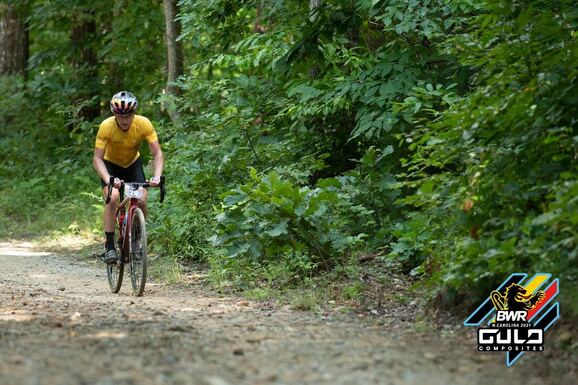 Final Notes
The gravel scene is expanding rapidly and the events pose an opportunity to try something new, test your fitness, and have one fun day on the bike around friends. They can often be fun on a whim, but if you want to come prepared and feeling like you are equipped with the fitness and mentality to handle them, having a coach or specific training plan can make all the difference. Having oversight on the day-to-day optimizes your time and energy to come to that start line ready.
0 Comments
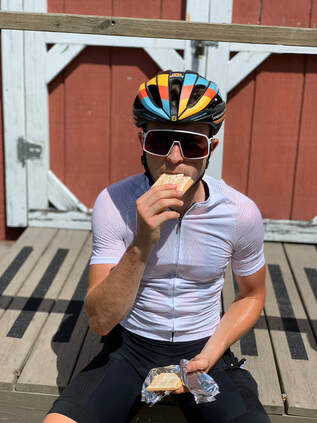 Nutrition around training can seem like a daunting, complex issue. However, there are a few simple rules you can follow to clean it up and that will allow you to develop positive habits.
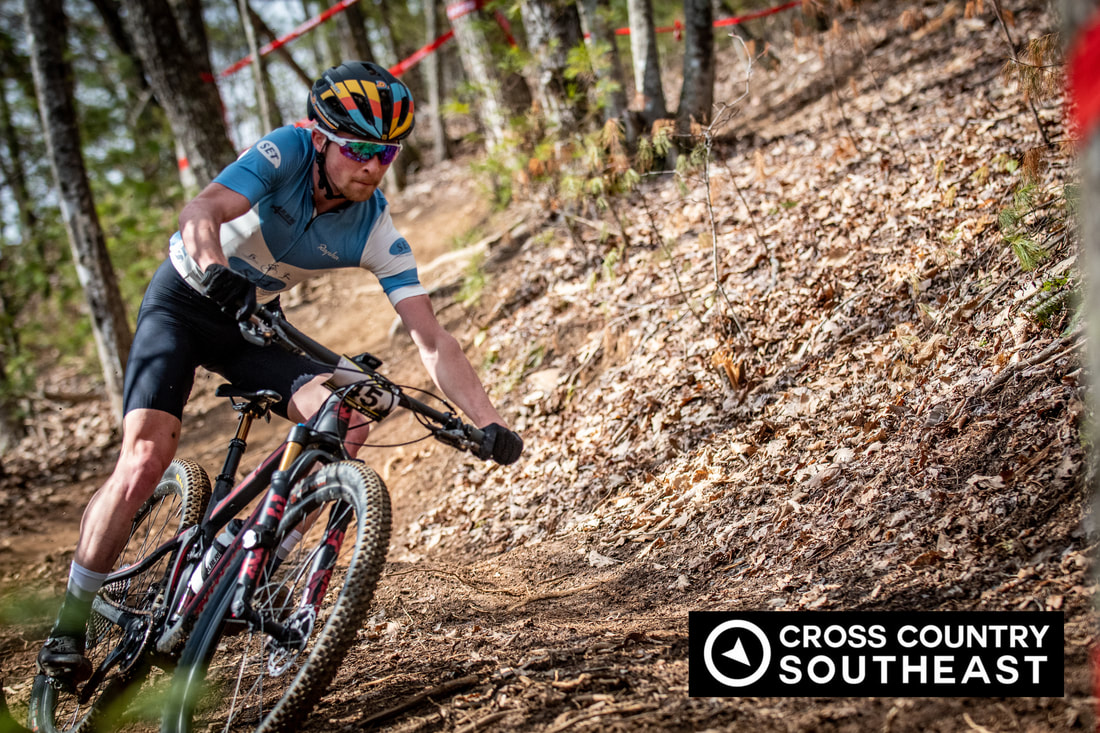
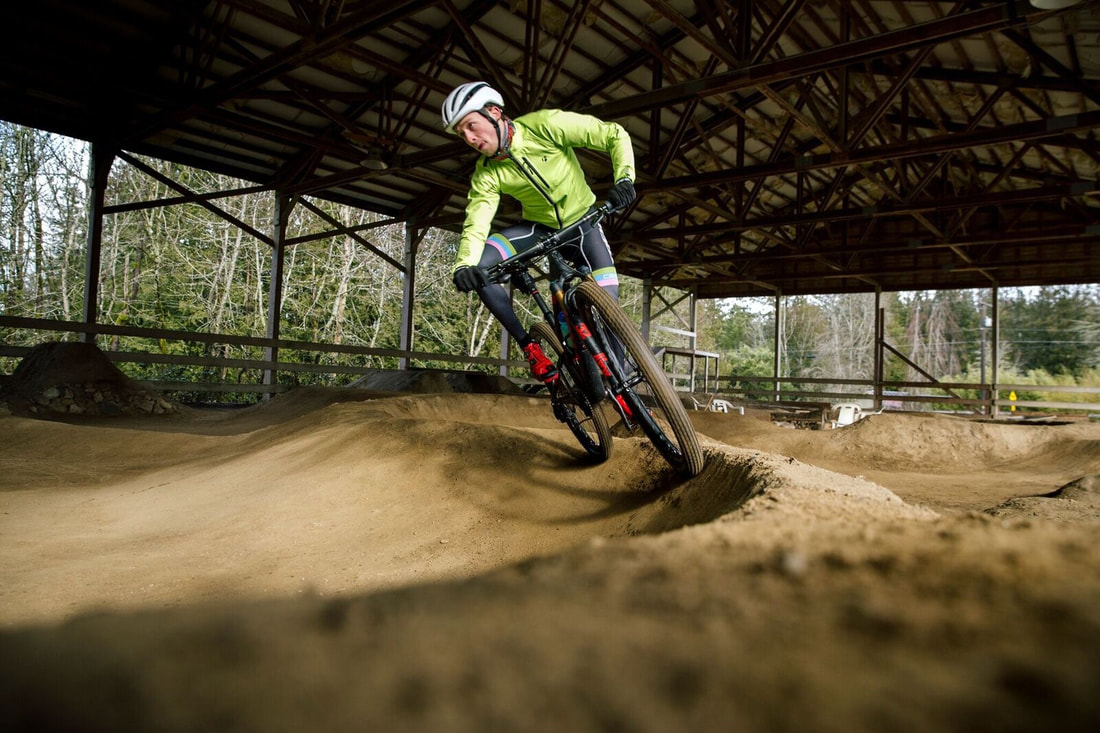
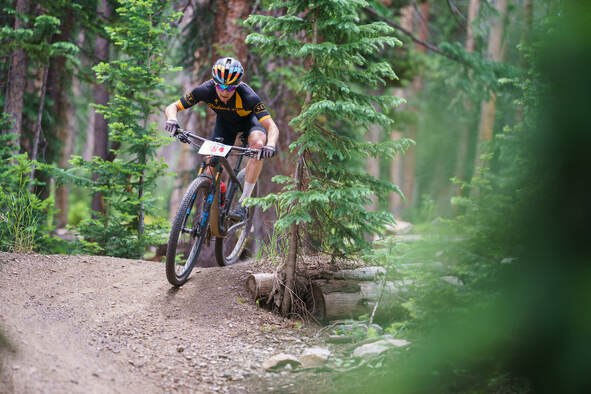 The reason we call it cornering and not "turning" is because the act is more comprehensive than just turning the handlebars. It's weight placement, line choice, angle, speed, and balance all mixed together. The best way to conquer corners is by using your hips to "open up" to them. The analogy I like to implement with the athletes I work with is thinking of having little spotlights on your hips. Imagine they have to point into the trail to light the way. When you approach a corner, open up the inside knee towards the turn and allow your hips to point/shift to it. This gets everything lined up while you use bike-body separation to displace the weight! Boom!
 As spring approaches, so does the beginning of most peoples' race season! Simultaneously, workouts tend to –or at least should– begin to become more specific and intense in nature. This is the perfect time to do some "spring cleaning". What I mean by that is dialing in the energy systems, effort, and requirements specific to your events. Here's what that might look like for the various facets with which we train:
 TOP TIPS FOR A HEALTHY RELATIONSHIP WITH THE SPORT
BALANCE: there is often pressure to hone in on a single objective without compromise. Be flexible and keep variety in your lives to develop a good foundation. Try different events, keep fun group rides in the plan, and use cross-training to keep things dynamic. SKILLS: getting *physiologically* faster is pretty cut and dry and tends to be a relatively responsive experience. Skills, on the other hand, are what allow you to capitalize on that fitness and are all-too-often overlooked. Dedicate some time to them and be intentional! RECOVERY: “train hard, recover harder”. Don’t be afraid to take it easy, spin, or just not ride! Recovery is what enables you to gain from all those days of work you put in. In fact, these are the days where those "lego blocks" get stacked up start to build your fitness. NUTRITION: fuel your workouts accordingly so that you can maximize the benefits from them. Don’t skimp on food/fuel when it you have a key workout, race, etc. When off the bike, focus on really quality, balanced meals and eating to your needs: ie. don’t fall for stereotypes around what an athlete “should look like”. STRONG IS FAST. PROCESS: embrace the process of developing in the sport. It is easy to get caught up in what everyone else is doing (or say you should be doing) and lose your own “north star”. Highlight your calendar with important “A Events” (MTB Nationals, NICA Season, Championship events, etc.) but don’t be afraid to venture out. Pick races and events that you truly enjoy, plan fun weekend MTB getaways with friends or family, and keep it fun. 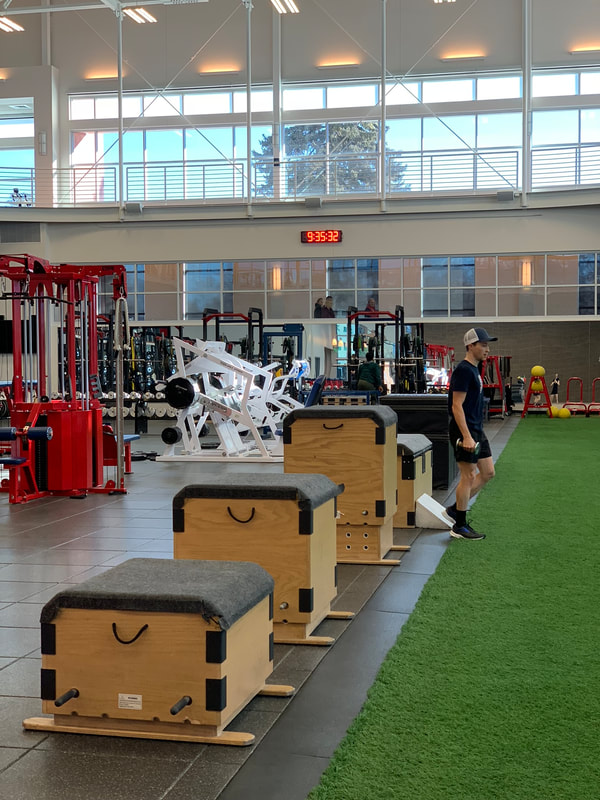 As many transition into the well-known “base" season, it is easy to feel a bit lost. Fellow athletes, friends, and foes on STRAVA are rolling out the miles and boasting huge days in the saddle. Social media pours out pictures and videos of people "on the grind". Post-season anxiety can build when you feel like you're going back to the drawing board or losing fitness gains from the year. I'm even subject of this myself and find worry creeping in. However, this year –if any– is an indication of what diligence, balance, and having a curated approach to training can do for you...despite everything else.
Long, monotonous days on the bike certainly have their place, but there are a few key aspects of training and everything else off-the-bike that are crucial in preparing for the coming season. As you make the shift this early winter, don't neglect how a basic strength training routine can impact your experience. Now is the perfect time. Strength Training The benefits of strength training are growing more and more apparent. As World Cup style courses are evolving into more technical and demanding tracks, athletes are steering away from body-typing, and the science is reaching the public, we are seeing a push towards time in the gym. Aerobically, everyone can "get fit" fast. However, strength training can dramatically improve overall raw power, repeatability, injury prevention, and (wait for it) even aerobic fitness! Strength training is actually super variable in and of itself and is also super time efficient. Going into the gym and lifting heavy is great, but it is something that has to be built up to. It's actually amazing what all can be done in your home with simple, basic moves. Challenging your body with dynamic and varying exercises, building core strength, and touching up on your upper body are extremely helpful and enable your body to work properly. Supplementing some dynamic work in like this does loads for activating important muscles throughout your body AND improving imbalances. Some key aspects of my strength routine are to include those that are targeting stabilization muscles and/or isolating a body part to prime my body –like including a balance pad/board and doing single leg activities (these are usually a variation of Split Squats, Pistols, Single Leg Dead Lift, or others). Then, I dial in those traditional workouts like front and/or regular squats, deadlift, etc. I usually make circuits that include an upper, lower, and core exercise to get solid rest between. Tossing in core exercises in between sets is super easy to do and helps add that little bit of attention to the full core. As far as upper body, it is often neglected by cyclists because they feel they “don’t need the weight”. Mountain bike racing demands a lot from your upper body…and if you can’t answer that demand then riding becomes sloppy. This can ruin your recovery throughout the race, leave you trailside picking yourself up, or just wasting energy making up time. CONTACT ME PLEASE if you would like a bit more info or want to get an idea of a good routine to follow –I'd be happy to help! *For a bit more on strength in the gym and the science behind it, I highly suggest this podcast by Mark Sisson and Jacques Devore. player.fm/series/primal-endurance-podcast/126-jacques-devore 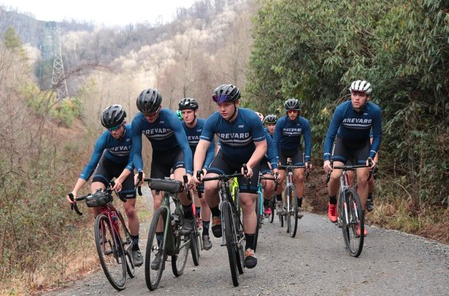 With an unexpectedly quiet year for racing, there comes a chance to reset, recalculate, and regain focus for the season(s) to come. While it may be easy to become passive about training, exploiting opportunities to dial in specifics can be as beneficial now as ever. It is about the BALANCE. Unregulated days of barbag-filled adventure, leaving the Garmin at home, can be exactly what your soul craves. Meanwhile, those workouts that complement long term, big picture specifics can be amazingly helpful to your progression. This is the beauty of this time period. Don’t completely neglect the specifics and write it off – racing may not be in your cards for the season, but let the joy of the PROCESS stoke your fire. Ancillary strength? Anaerobic system power? Aerobic ceiling? Sourdough bread recipe?
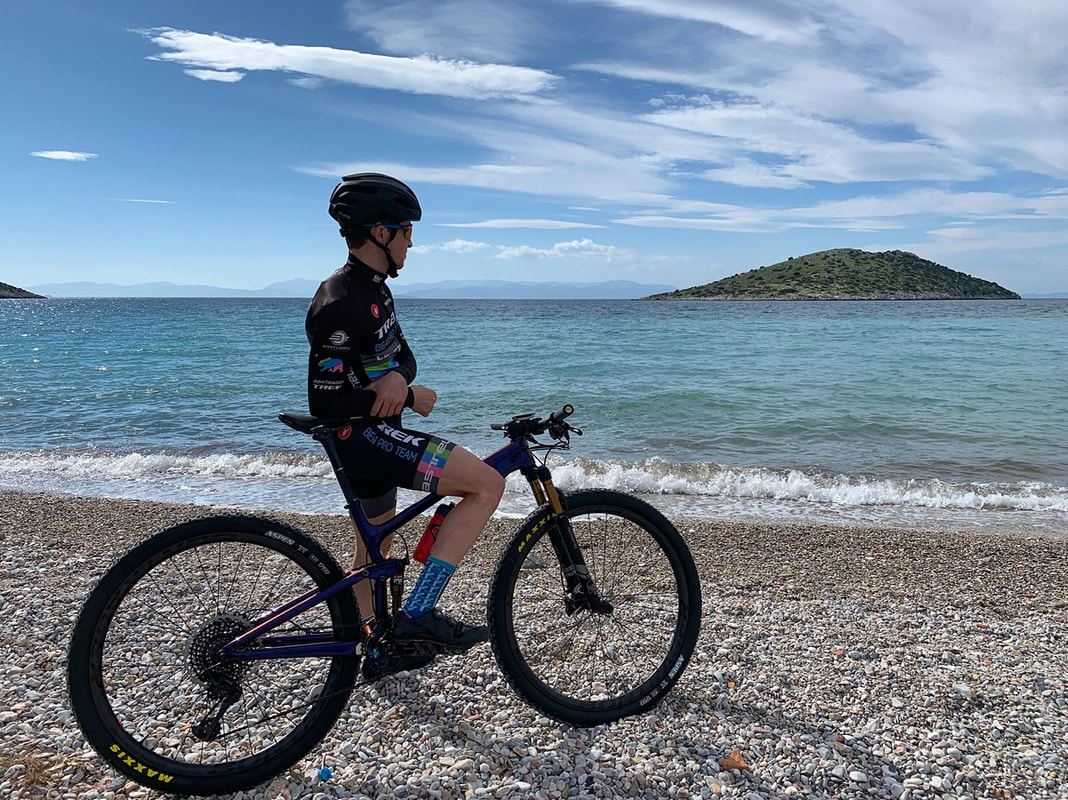
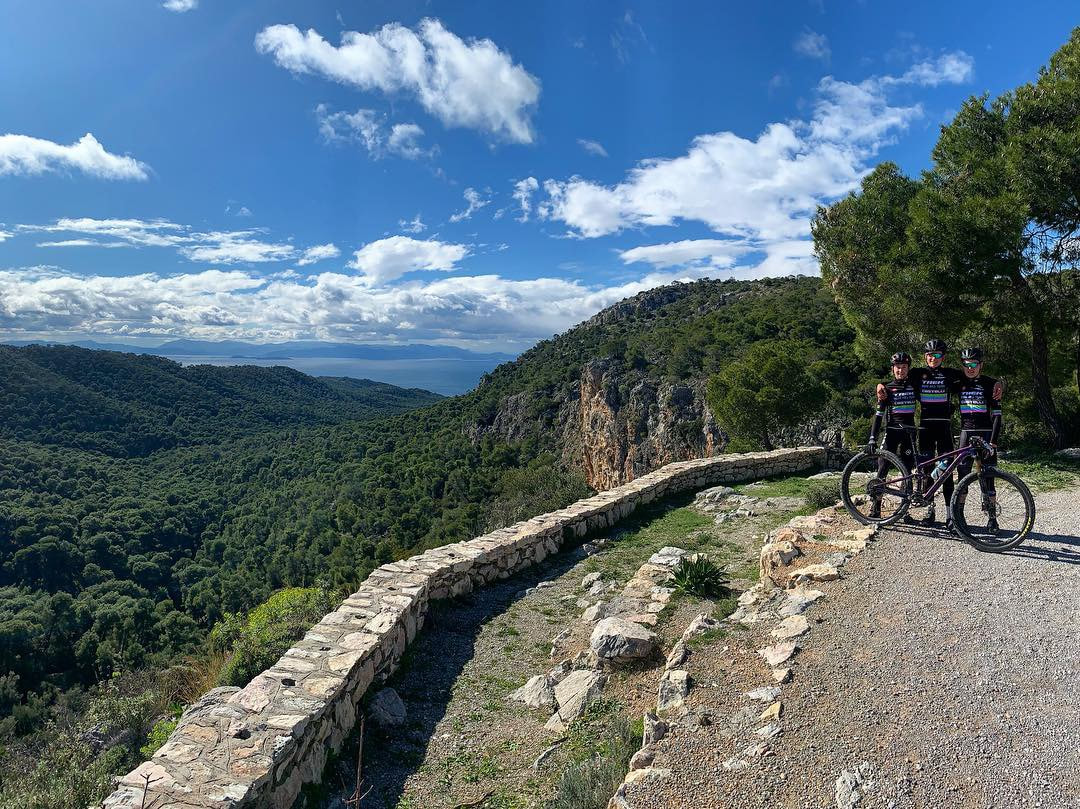
Use this flexibility to find the balance, routine, and progression that you need. I had been eyeing an early season experience for a long time, and after settling on a stage race in Greece I couldn’t have been more anxious. An early trip overseas for the 2019 season, questionable fitness (or I should say race speed), and my first stage race ever. I came into the new year with a few goals in mind: get early season points, so those first world cups aren’t so harsh, and try to expand my racing experience. So, a stage race in Greece provided the perfect opportunity to begin ticking off those bucket list items. With a little bit of last minute school prep/cramming/bargaining and some rusty bike packing skills, I was headed off on the first race adventure of the year. 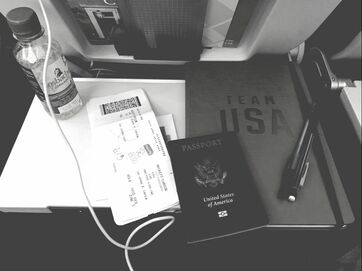 Arriving in mainland Greece, (Athens) I met up with Jerry Dufour and we began the complicated journey to Salamina Island. We finally made it onto a ferry as night fell and was saved by USAC and Bear mechanic Julien Petit on the other side. We stayed with a few other fellow teammates and USAC athletes (who had already been there a week for the first stage race) and took time Monday to get acquainted with this weirdly small island. All three races, Salamina Epic #1, 2 and the XCO, were held on the same beach front portion of the island, so we got pretty familiar with the warm up route. We woke Tuesday jet lagged and tired as our all-too-short turnaround ended with the approach of Stage 1: the time trial. STAGE ONE Stage racing requires you to be ON IT every day, as your time on each stage accumulates to a total General Classification (GC), where the final results are determined. The TT, being about 25 minutes in length, was an absolute shell-shock to the system. Not having done an effort like that in months made for a rude awakening to the week. Though I was back in the 25-30 ish range, I was fortunate to not have lost a crazy amount of time since the race was so short. However, Stage Two’s Marathon race was a different story... STAGE TWO
STAGE THREE Day four and Stage Three came with a good dose of fatigue after the marathon, but I only had to survive 30+ minutes of short-track racing this day. We shoveled more oatmeal, suited up, and headed back to the venue. The racing was expectedly intense, and I certainly dug myself a hole. Not able to force myself towards the front of the group meant I missed that crucial first lap selection: the critical portion of the start of the race where bottlenecks happen and groups form. Thus, I spent most of the race digging forward trying to reclaim lost spots. A little frustrated and spent, I had to collect the lessons to be learned and put all the focus on the fourth and final stage of the race: point to point. STAGE FOUR Unsure of what I’d be capable of after my first four days of racing, I tucked all the doubt away and got stoked for the opportunity ahead. Using the same neutral start to alley-way explosion, we rode from the city hall of Salaminas to the race venue. I was positioned a bit better this time around and was able to limit some loses when the hammer was dropped. As we made our way onto the venue and headed out for one backcountry loop, I felt things starting to really tick over, but tackling every climb blind just meant I had to test myself and hope that it was short enough that I wouldn’t pop. I found some rhythm and was able to settle into a strong mental state, finally feeling that race speed I had been looking for all week. We had one day to rest up and relax a bit on Saturday after the conclusion of the stage race. So, naturally we went off to bakery hunt for the best baklava and sight see. When it came time for tackling one more single-day XC race on Sunday to polish off the trip, I must have been stuck in second gear. The legs just didn’t want to snap around and I was pedaling squares –that was that. Not the finishing result I had hoped for, but more racing experience to tuck in my pocket. 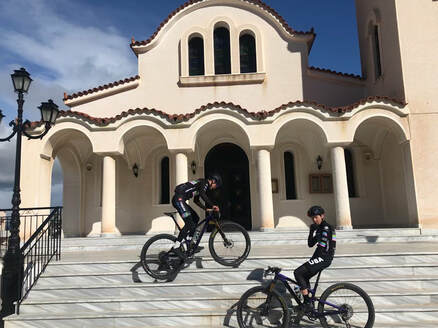 That night, our last night in Greece, was an amazing treat. We headed into mainland and drove through Athens where we saw a glimpse of iconic pieces of history –like Acropolis and the first ever modern Olympic stadium. Following that, we were treated to some of the best Greek food around. We were seated and brought endless pitas, homemade Greek salad, and meat skewer assortments. No better way to cap off one of the most unique racing and traveling experiences I’ve had yet. 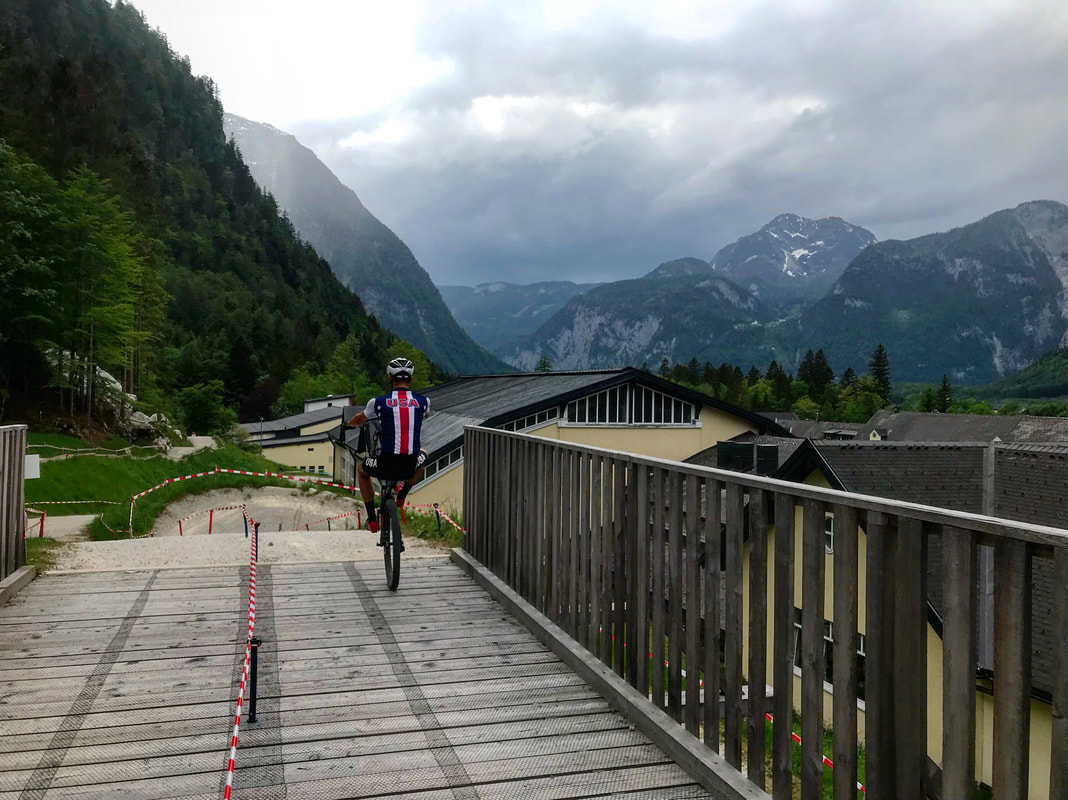 The opportunity to travel to Europe with USA Cycling is something I never take for granted. To put on the stars and stripes and race bikes in a foreign country always is and always will be an honor. With this being my second U23 World Cup trip, I truly felt like I have been growing into my shoes recently and was ecstatic to head overseas with the rest of Team USA. This time, however, my trip was going to be an even more exciting experience. Two teammates of mine extended the invitation to head over a week early with them for our own little jog through Europe. With this, we had the opportunity to go over a good eight days early to get acquainted with the lifestyle, dabble in a test race in Austria, and even see a few sights. We shared a rental RV from the Frankfurt area and embarked to Austria for the week.
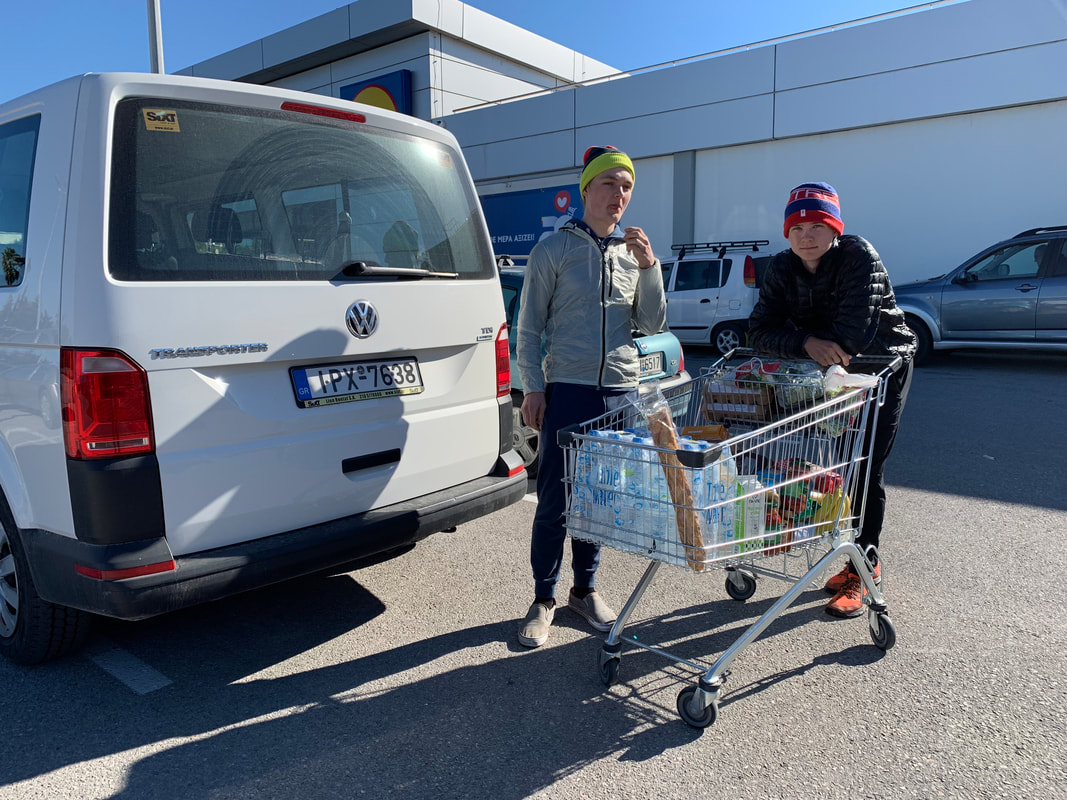
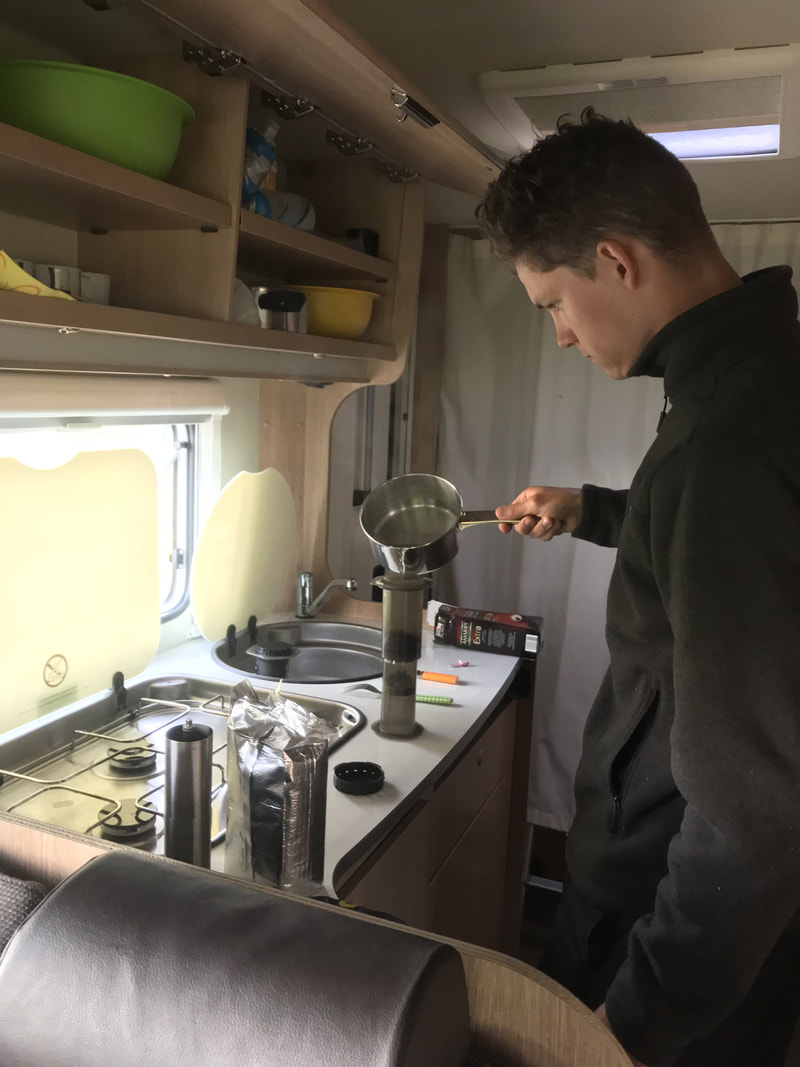
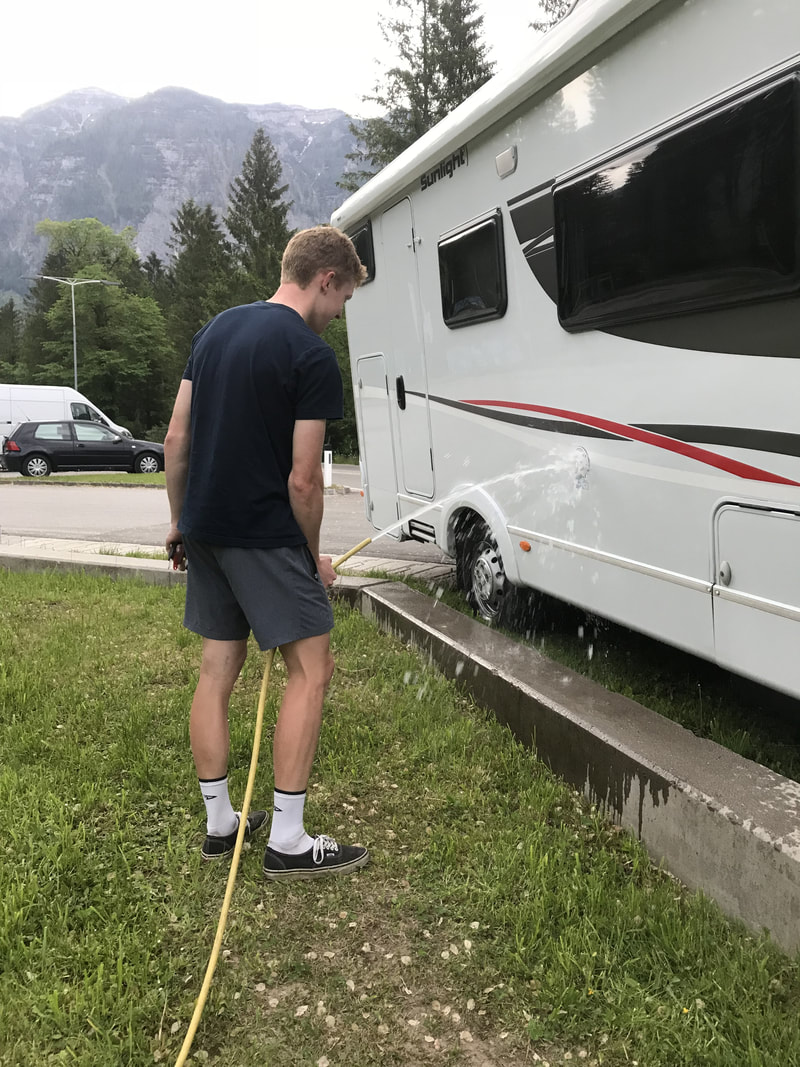
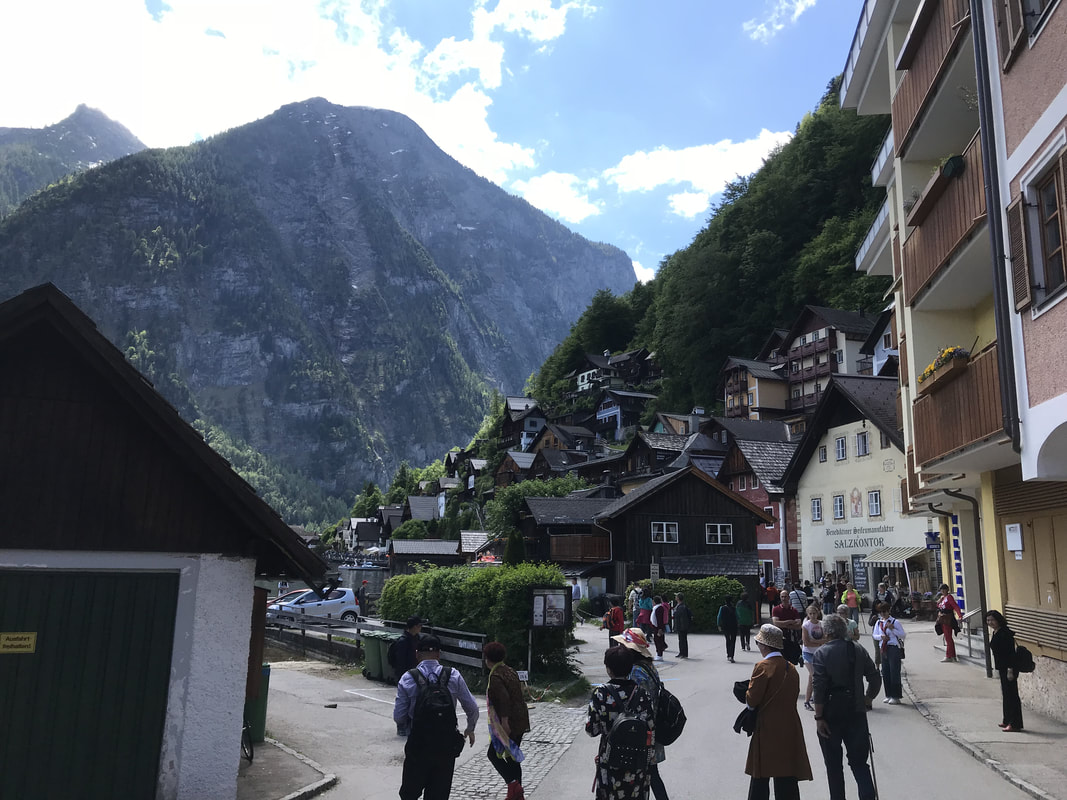
#RVliving presented some tasks along the way (6-speed trickiness, flat tire, water scavenging) but it was an experience that I wouldn’t have wanted to go any other way. “Camping” was wherever we were able to find a quiet enough dirt/farm road, rides were scouted through Trail Forks, and the road ahead was all of our own choosing. Sharing the drive, the groceries, and the laughs was a stellar start to our trip. Obertraun Race Report Heading into Austria as the first spot on our map for the tour was a sweet treat. The area surrounding our race was unreal; beautiful snow-topped mountain peaks, a glacier fed lake, and classic euro infrastructure. Our course was a specifically designed mountain bike race “arena”/course. It had plenty of spectator viewing, raw sections of course, and big man-made features. Being there a few days early gave us ample time to look it over and enjoy the area. Race day brought back all the feels I hadn’t had since the spring races, but it was a little more relaxed than I expected. Our field of 40ish wasn’t huge, but it was stacked. I aimed to hang in the pack throughout the first bit of the race to get a feel as to where my travel legs might be, so I tried to be a bit conservative early on. This course...with wall-scaling steep climbs, punished as the race progressed but I was sitting in a good spot around 13th. However, a few chain-drops later and I was wasting time and energy. I rolled in 16th but came away satisfied with how the form was coming along.
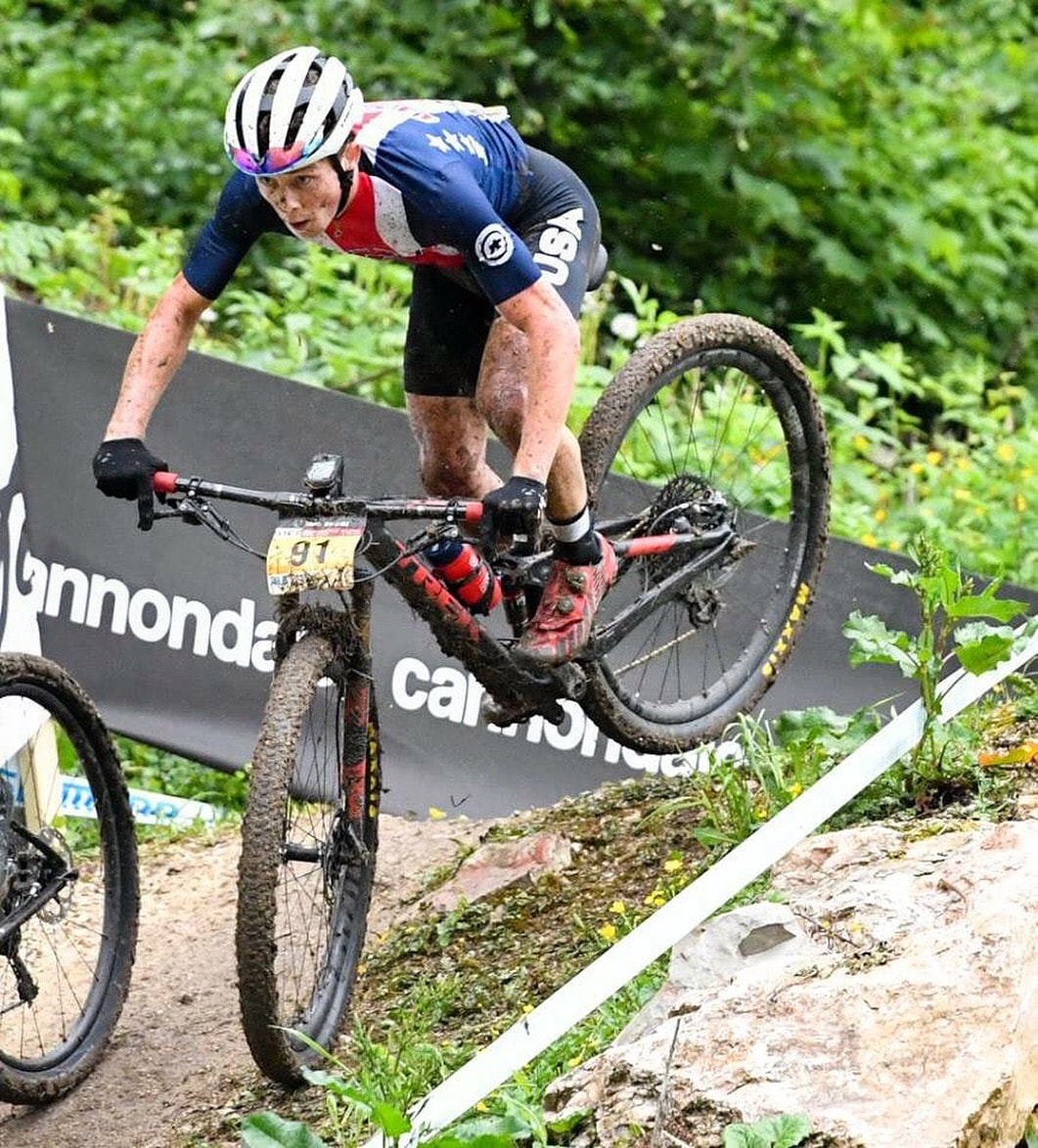
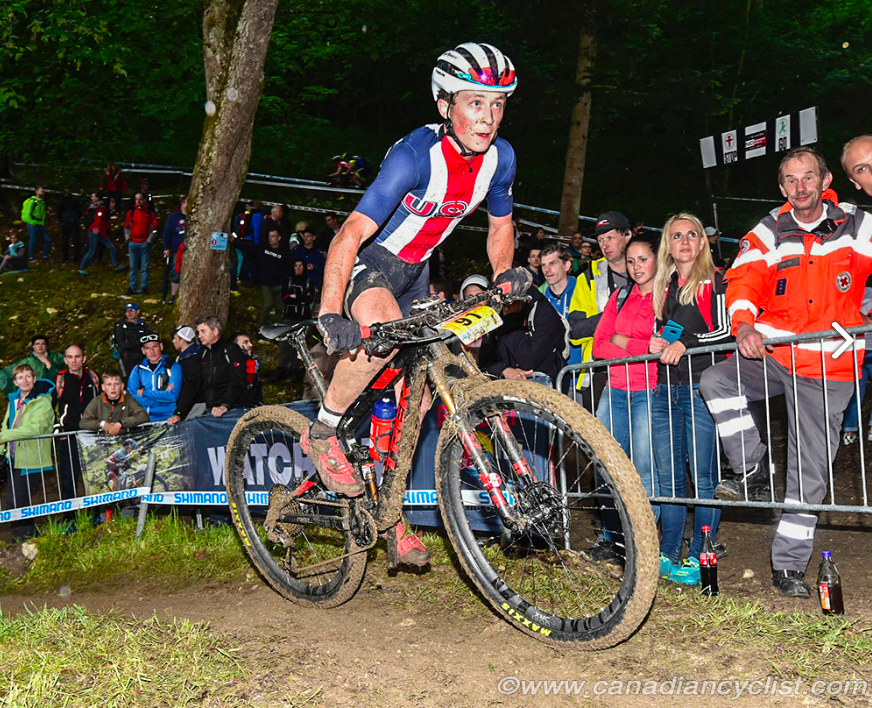
After meeting the team at the airport and transferring to Albstadt, Germany, things were lining up for the week prior to World Cup round #2. Albstadt Race Report Preparation seemed to be a little more key this week as rain showers made conditions dicey coming into the race. Line choices and tire checks were made all week, the venue getting busy, and the nervous stoke building−it was race weekend. 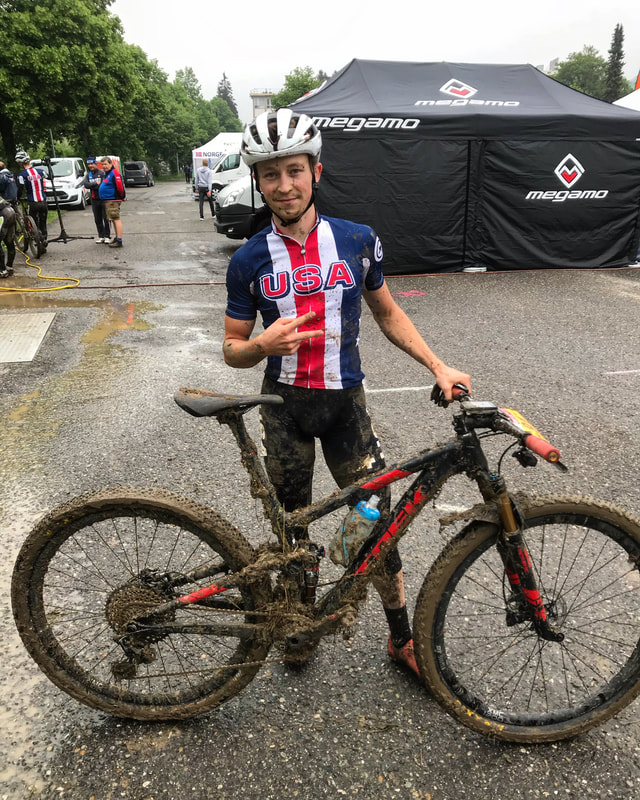 As we headed out the door Saturday afternoon, a light sprinkle turned into a slow rain. This meant that conditions were about to be upgraded to an insanely wild state. Well over a hundred rollers buzzed as we took our start boxes and the pressure was building for my third ever European World Cup.
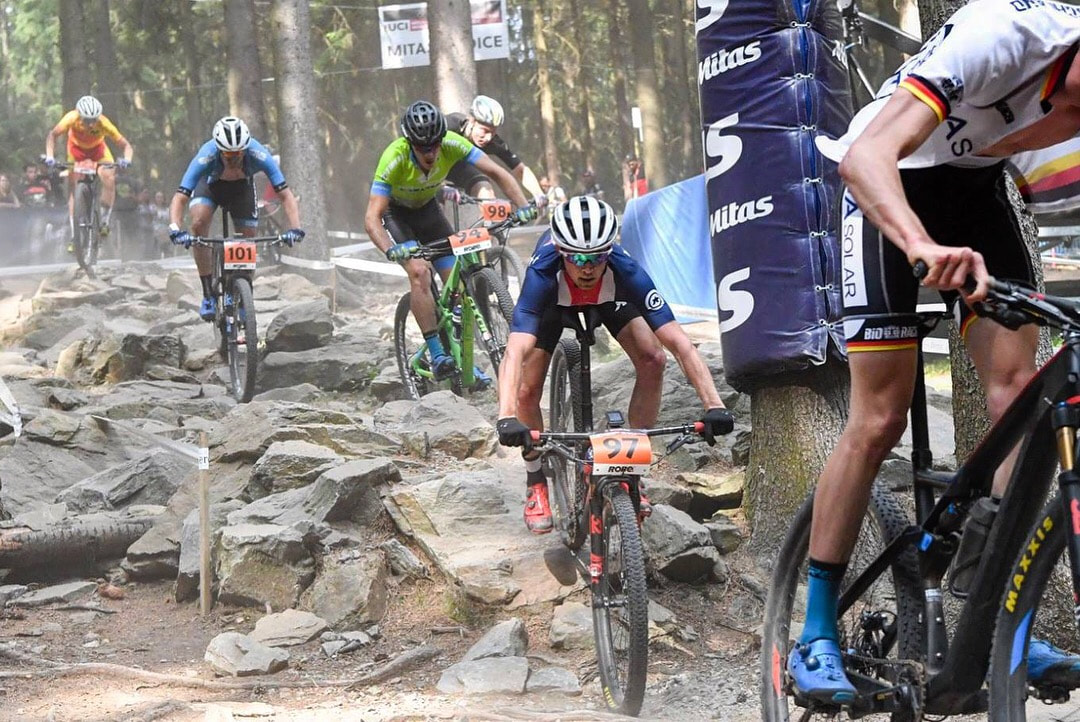
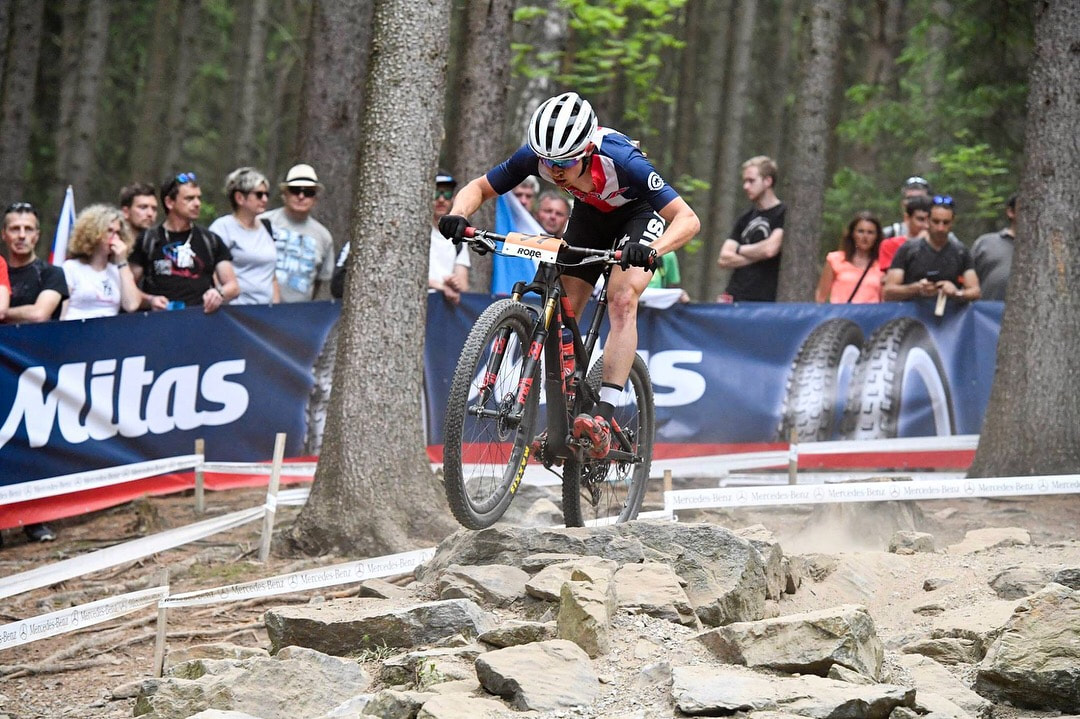
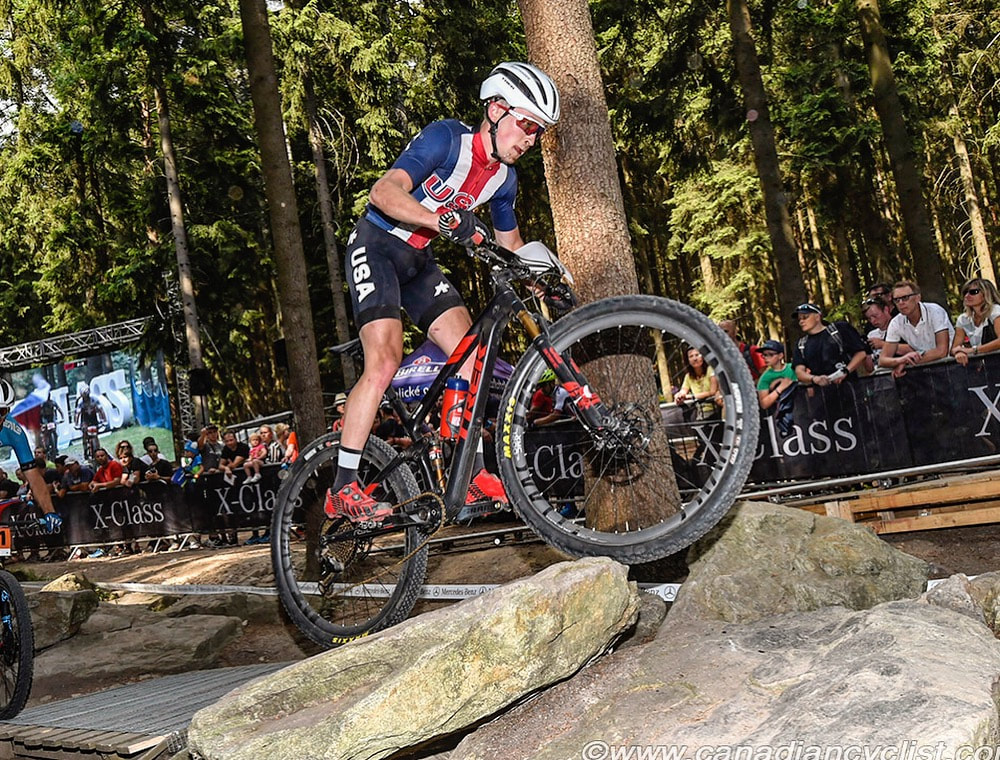
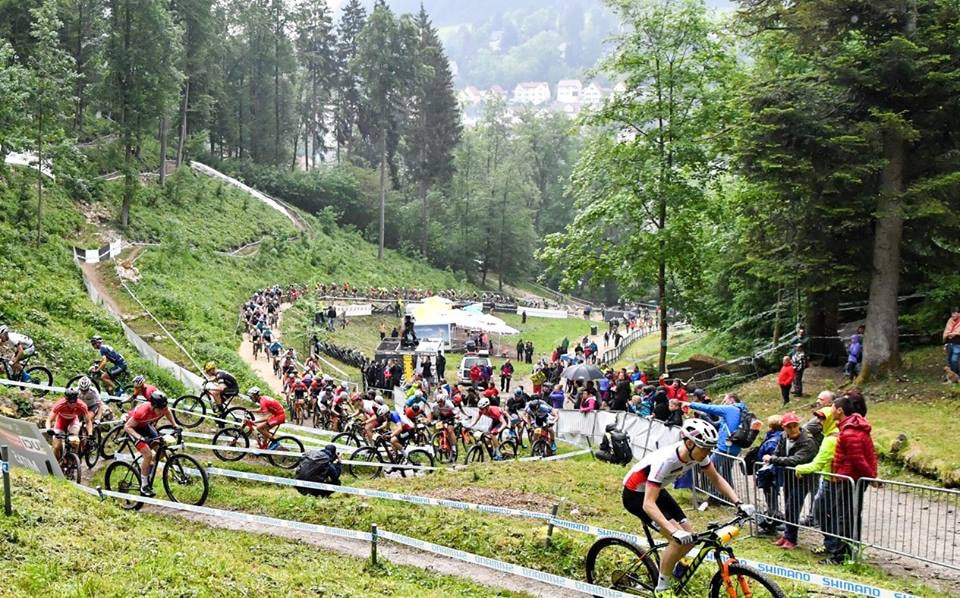 With the time stacking up on me early and unable to really turn it on, I definitely didn’t end up where I had hoped. Albstadt was certainly a shock to the system and was a pretty chaotic but exciting way to start the USAC WC trip, despite a disappointing position. With a little weight off my shoulders and some lessons learned, I was hungry to gather myself and get ready for a bigger and better chance the following weekend at World Cup round #3: Nove Mesto na Morave, Czech Republic. NMNM Race Report Czech Republic−a new spot on the map. I was even more eager coming into the third and final stop of my European tour because I knew this place was quite possibly the most iconic world cup venue of them all. The course was full of loam, southeast style rooty sections, and big rock features. A whole week here went by quick while we eagerly waited to ride the course. As the venue began to swarm and the clock ticked down, race day was live and things were about to get heated.  NMNM featured a much wider start loop and course in general, making traffic a bit less of an issue. The just shy of 150 riders made it through the start straight and first few corners unscathed, which is where I have naturally lost spots just from being too timid. In an effort to avoid losing too much time and consumed by the flow of the pack, I put everything I had into the first three or so laps of the race. Thankfully, my efforts paid off and I moved up quickly and consistently. However, there was a bill to be paid for the effort and I did so in the later laps of the race. Salvaging what matches I had left, I found a strong group and pushed with them towards the finish. Chris Blevins, having a less than ideal race, had slipped back to me and we were on the move together in the final stretch. In a bunch sprint I ended up losing a good four or five spots as the legs began to pull the plug. Despite having an unimpressive result on paper, I’m stoked on the mental aspect of my race more than anything. The overwhelming nature of these races has a tendency to want to shut you down when things get hard. NMNM is one of the tightest running races I’ve been in and every... second... counts. Thirty seconds can literally separate two dozen riders. Staying in the fight was the battle itself. An adventurous Sunday was filled with a big endurance ride through the countryside and the opportunity to watch live, in person, pro races. A few of us joined the thousands of spectators and took to the forest to cheer on one of the most exciting World Cup races yet. A thunderous crowd lit up the woods and it was one heck of an atmosphere to be a part of. 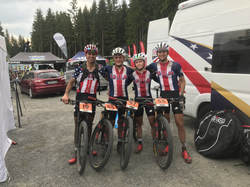 Ample lessons were learned and plenty of memories made on this year’s spring European tour. Traveling across Europe in an RV and racing the fiercest competition on the planet in gorgeous places has a way of humbling me. It is a great thing I get to do, and keeping that in perspective is what continues to drive me.
As the infamous “base” season transitions into a demanding Spring, it is easy to be “chamois time is training time” oriented. Fellow athletes on STRAVA are rolling out the miles and boasting huge days in the saddle. Preseason anxiety builds and I find myself worrying about hours on the bike-or rather if I have got enough of those hours under my belt. Long, monotonous days on the bike certainly do their part, but there are a few key aspects of training and everything-else-off-the-bike that are crucial in preparing for the coming season. It goes without saying that sleep, nutrition, and hours on the bike are important to “gains”, but I want to point out some aspects of training that are as important as anything else. These focus points have been huge for me and I want to share them- whether they serve as reminders, encouragement, or just a time-killing read. 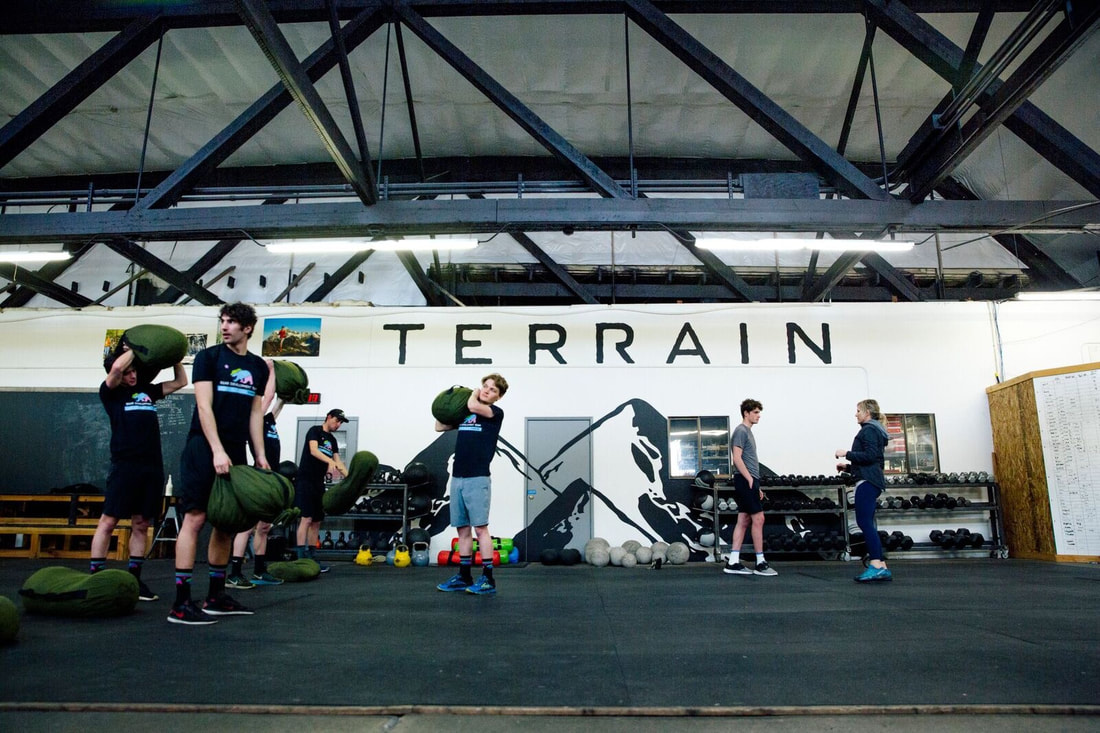
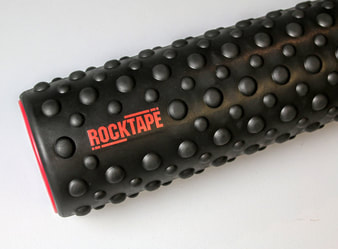
What I like to do, and has been advised by my coach, is include some of those traditional workouts (regular squats, leg press, deadlift…) with others that are targeting stabilization muscles and/or isolating a body part-like including a balance pad or board. I usually make circuits that include an upper, lower, and core exercise. Tossing in a couple side planks or swiss ball core exercises in between leg sets is super easy to do and helps add that little bit of attention to the core and back. As far as upper body, it is often neglected by cyclists because they feel they “don’t need the weight”. XCO racing demands a lot from your upper body…and if you can’t answer that demand then riding becomes sloppy and it can ruin your recovery throughout the race, or leave you trailside picking yourself up. (not to mention overall injury prevention!) *For a bit more on strength in the gym and the science behind it, I highly suggest this podcast by Mark Sisson and Jacques Devore. player.fm/series/primal-endurance-podcast/126-jacques-devore Stretching/Rolling Of course it is important to be flexible! Cyclists aren’t gymnasts, but being able to move with and around your bike is crucial in racing. When you are a bit more flexible, this allows your body to work more efficiently and effectively on the bike, especially in techy sections. I always try to get in a light stretch right after training rides, but I can vouch for the fact that it’s not always what I want to do as soon as I get off the bike. However, it is super easy to get in a good 10 min of basic stretches right before bed and this is usually my go-to.
Skills One of the single-handedly most important parts of XC racing is being able to handle the bike. Rough, steep, technical terrain is prevalent in every single race. Whether it be a Southeastern NICA race or a World Cup, basics like cornering and technical skills are vital. The more comfortable you are, the faster you are, and the less energy you spend. Adding a session of skills to the weekly regimen has been super important for me as the race season builds. On recovery days, I’ll often take the mtb out and session a section of trail just focusing on basic technical skills. It is easy for people to get glued to the road bike saddle while trying to put in more hours, but I like to incorporate workouts on the trail or on my mtb just to keep that feel and flow.
Train Hard, Rest Harder Training makes you slow. Recovery makes you fast. What? Yeah that’s right, training does nothing but break your body down-so why do people neglect the recovery? As training accumulates, it becomes more and more important to pay attention to how you feel and how you are recovering. The adaptation of your work is where all the gains are made. When you have to go hard-go hard, but when you have to go easy-GO EASY. Controlling the Controllable(s) Last but not least, DO YOUR THING. This one is what I have to remind myself weekly. It is so easy to get caught up in what everyone else is doing. I personally catch myself getting anxious as the season approaches and social media can be the root of that. I love to stay tuned in to what is going on around the world with different friends and athletes. It is a fun thing to get excited about, but when you see people racing in SoCal, training in South Africa, traveling because they aren’t in school…it is easy to get caught up. If you’re on the trainer most winter nights: sweet, get it. If you are snowed in a lot and cross training with skiing or something else: sweet, get it. I have learned (largely in part to clinical sports psychologist Kristin Keim) that no matter what, control the controllable(s). That being: focus only on what you can do and put your mental and physical energy into that. Above all, enjoy your process. 
|
AuthorCarson Beckett, 26 | Coach, Pro, and Co-Founder of Dirt Camp Racing | Carson Beckett Coaching CategoriesArchives
January 2024
|

 RSS Feed